-
A Strong Foundation for Perfect Tiling
Whether you're planning a bathroom makeover, kitchen renovation, or a brand-new flooring project, tile adhesive is the unsung hero that holds everything together—literally. Often overlooked in favor of flashier design elements like tiles, grout colors, and patterns, tile adhesive plays a crucial role in ensuring durability, alignment, and long-term success of your tiled surfaces.
What is Tile Adhesive?
Tile adhesive is a special bonding material used to fix tiles to floors, walls, or ceilings. It comes in various formulations, typically as a ready-to-mix powder or ready-to-use paste, and is engineered to provide superior grip, flexibility, and moisture resistance.
Why Tile Adhesive Matters
Many still rely on traditional cement mortar, unaware of the multiple benefits offered by modern tile adhesives:
-
✅ Stronger Bonding: Tile adhesives offer excellent adhesion, reducing the risk of tile slippage or pop-outs.
-
✅ Time-Saving: Ready-mix formulations mean faster preparation and easier application.
-
✅ Thin Bed Application: Unlike cement, tile adhesive can be applied in a thin layer, saving material and reducing weight load.
-
✅ Waterproof Options: Perfect for bathrooms, kitchens, and exteriors.
-
✅ Flexibility: Some adhesives are flexible enough to withstand substrate movement and thermal expansion.
Types of Tile Adhesives
-
Cement-Based Adhesives
Ideal for ceramic, vitrified, or porcelain tiles. Best for floors and walls in both dry and wet areas. -
Ready-Mix Adhesives
Pre-mixed paste suitable for small tiles, mosaics, and dry indoor areas. Convenient and beginner-friendly. -
Epoxy Adhesives
High-performance adhesives for industrial areas, heavy traffic zones, and places exposed to chemicals or heat. Highly durable and water-resistant.
Applications and Use Cases
-
Residential Flooring
Living rooms, bedrooms, and hallways benefit from strong yet flexible adhesive that prevents tile cracking. -
Wet Areas
Bathrooms, balconies, kitchens, and utility areas demand waterproof and anti-fungal adhesives. -
Heavy Load Areas
Commercial kitchens, showrooms, or warehouses need epoxy-based adhesives for high endurance.
Steps for Proper Application
-
Surface Preparation: Ensure the substrate is clean, level, and free of dust or grease.
-
Mixing: Follow the manufacturer’s instructions for mixing water and adhesive powder (if not pre-mixed).
-
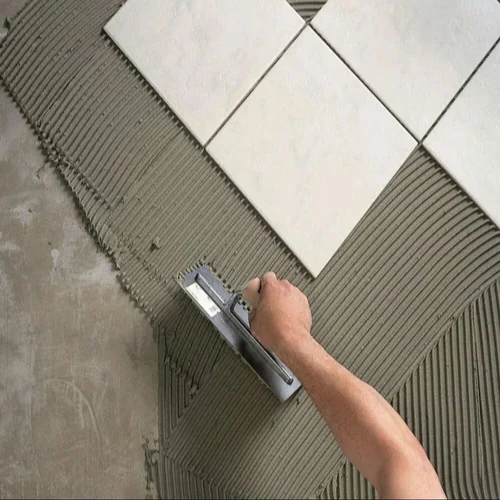
Application: Use a notched trowel for even spreading.
-
Laying Tiles: Press tiles firmly into place. Use spacers for uniform gaps.
-
Curing Time: Allow adequate curing time before grouting or foot traffic.
Pro Tips for Best Results
-
Always choose the right adhesive for your tile type and surface condition.
-
Don’t add more water to extend pot life—it weakens the bond.
-
Avoid walking on newly laid tiles for at least 24 hours.
Conclusion
Tile adhesive may be hidden beneath the surface, but it’s the foundation of every successful tiling project. Whether you’re a professional contractor or a DIY enthusiast, investing in the right adhesive ensures long-lasting, beautiful results. Choose wisely, apply correctly, and your tiles will stand the test of time.
-


.png)